
AP Art History and children’s literature: yes, picture books can teach students about the 250 required works and their artists. Engage your students with these resources created by a librarian.
*We use affiliate links and may earn commission from purchases made through those links. All opinions are our own.
AP Art History Curated Read-Aloud Resources for Required Works
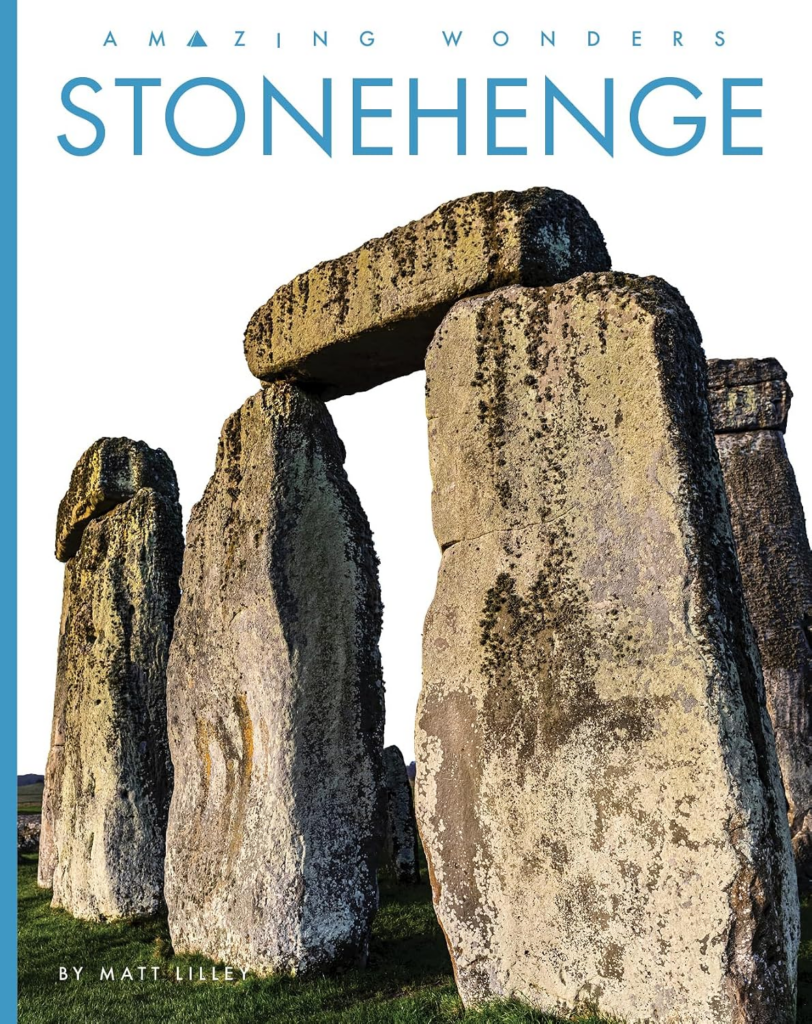
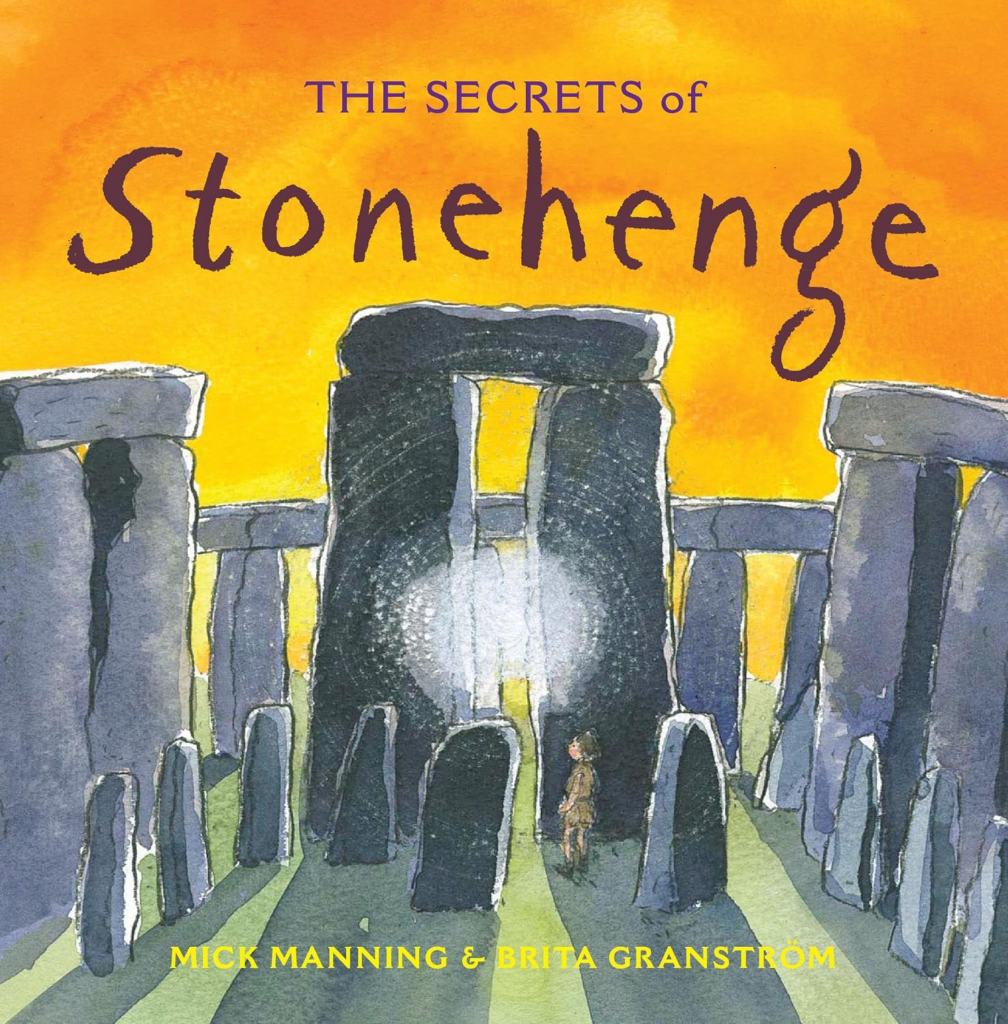
Stonehenge, 2500-1600 BCE
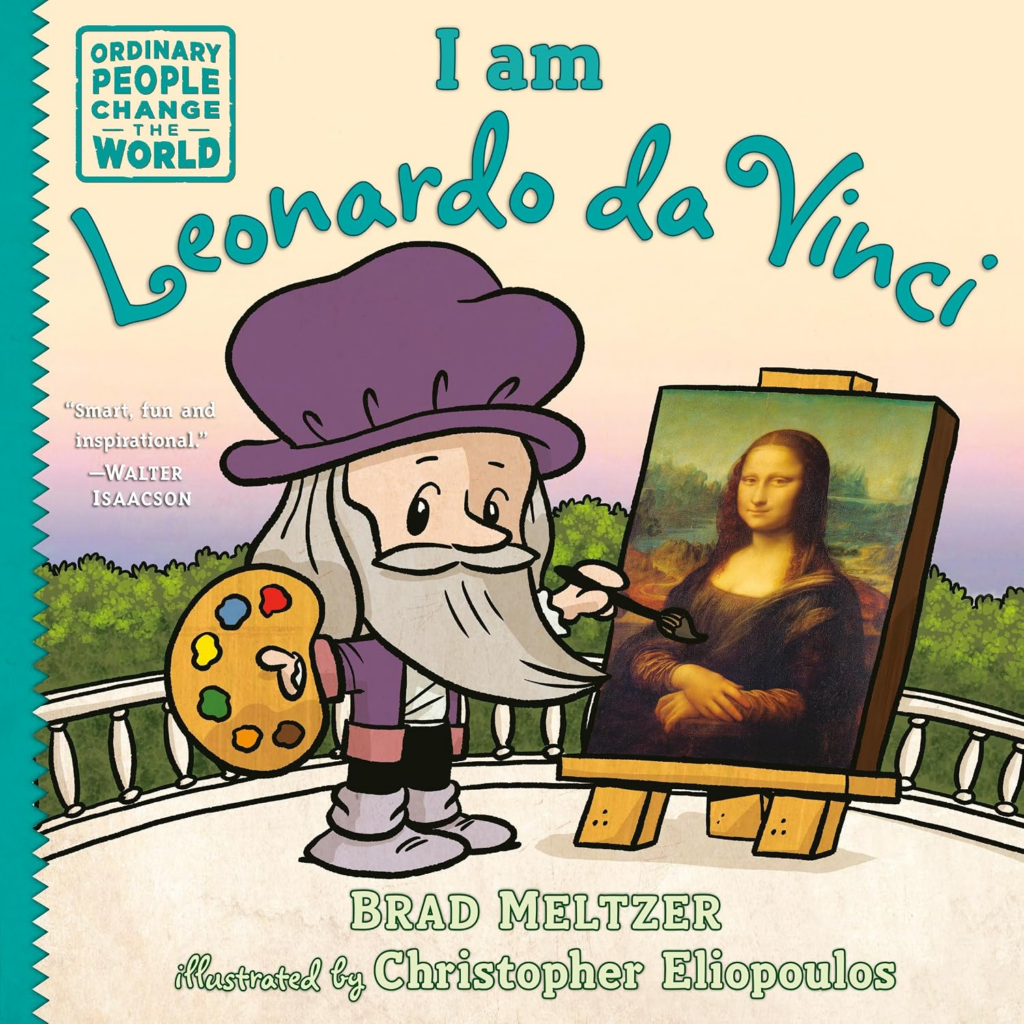
Last Supper, 1494-1498, Leonardo da Vinci

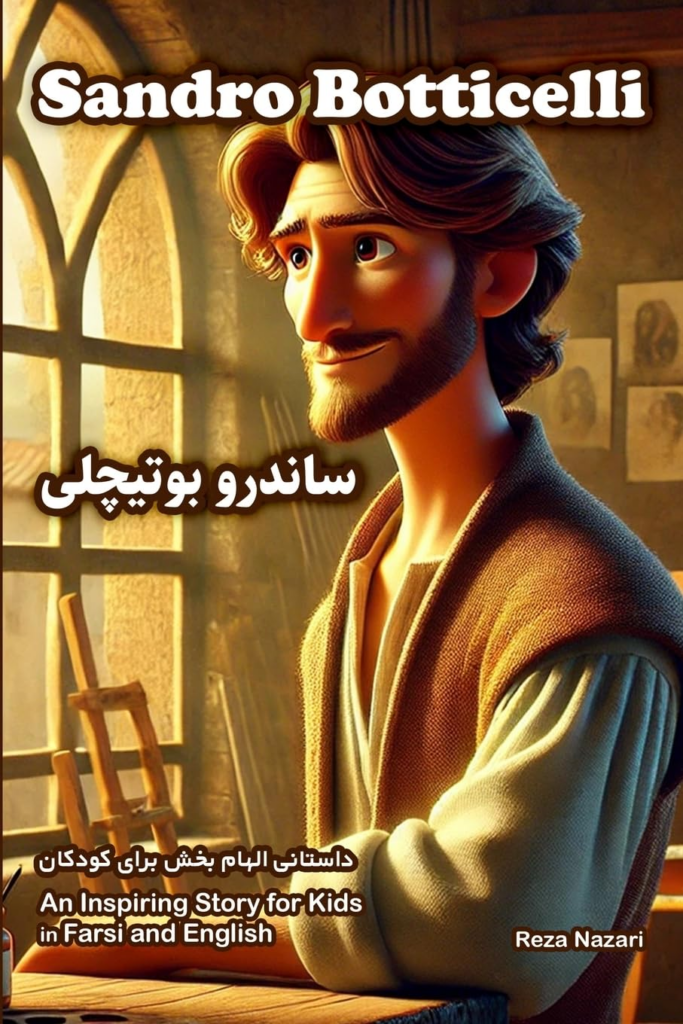
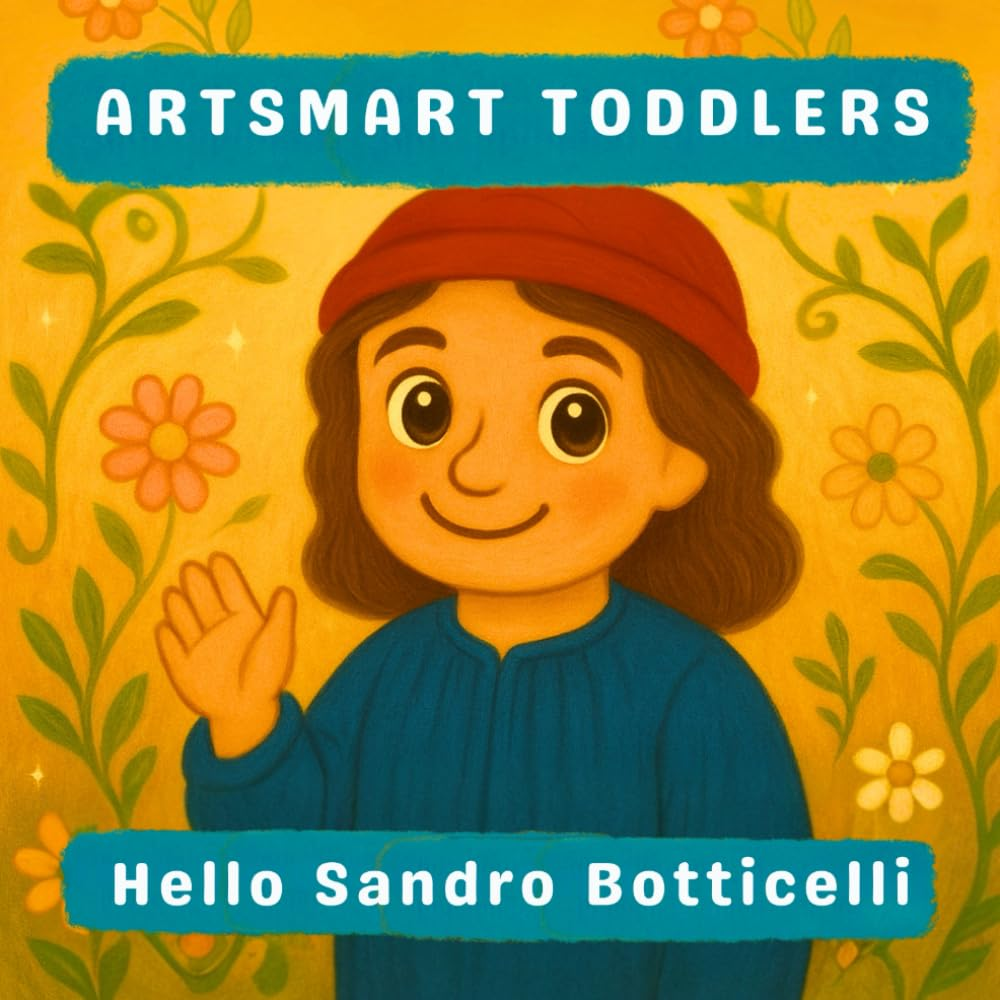
The Birth of Venus, 1483-1485, Sandro Botticelli
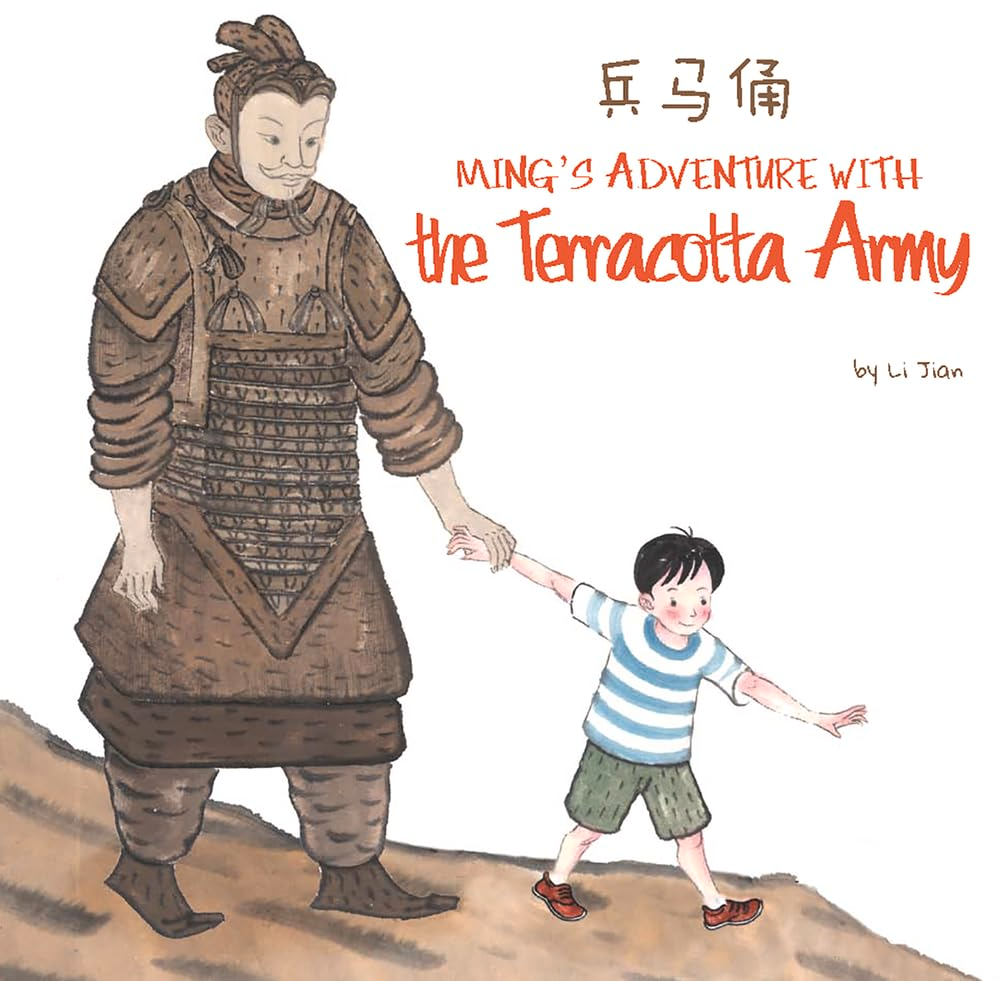
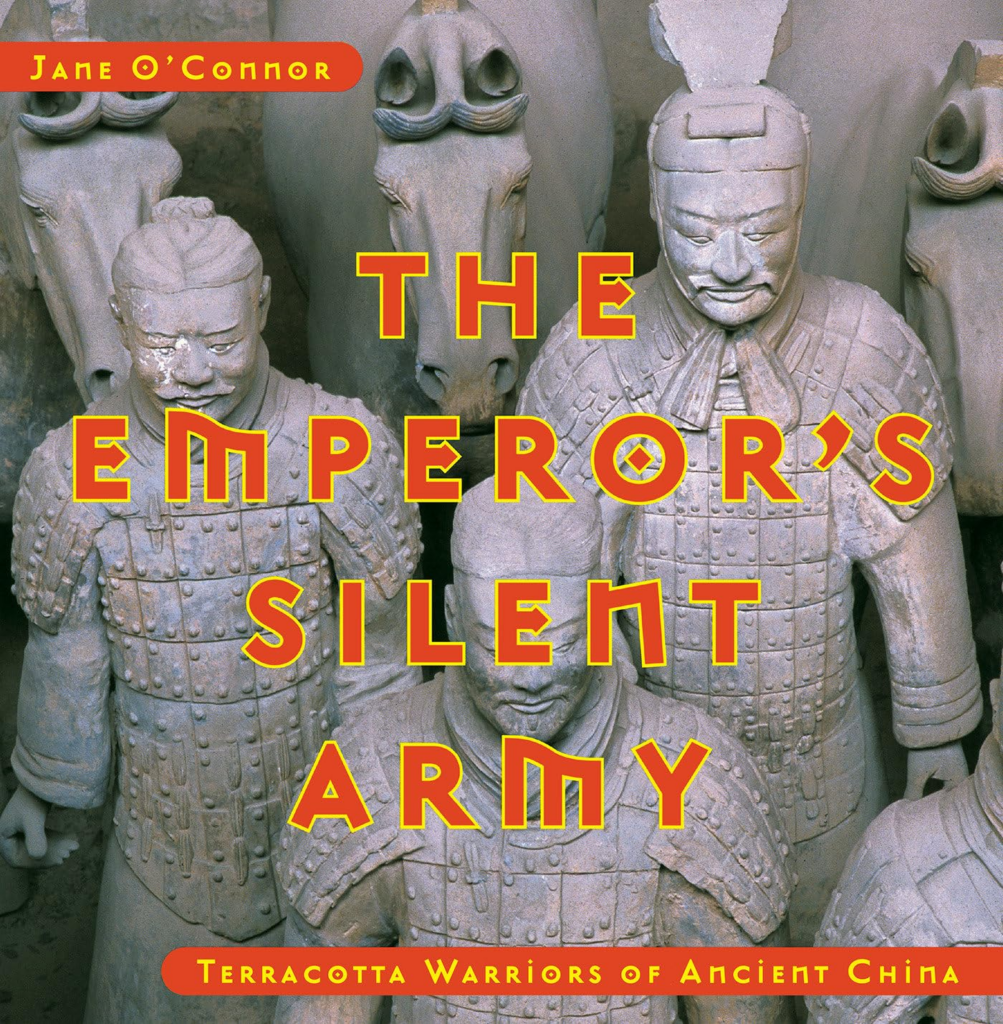
Terra Cotta Warriors, 246 BCE
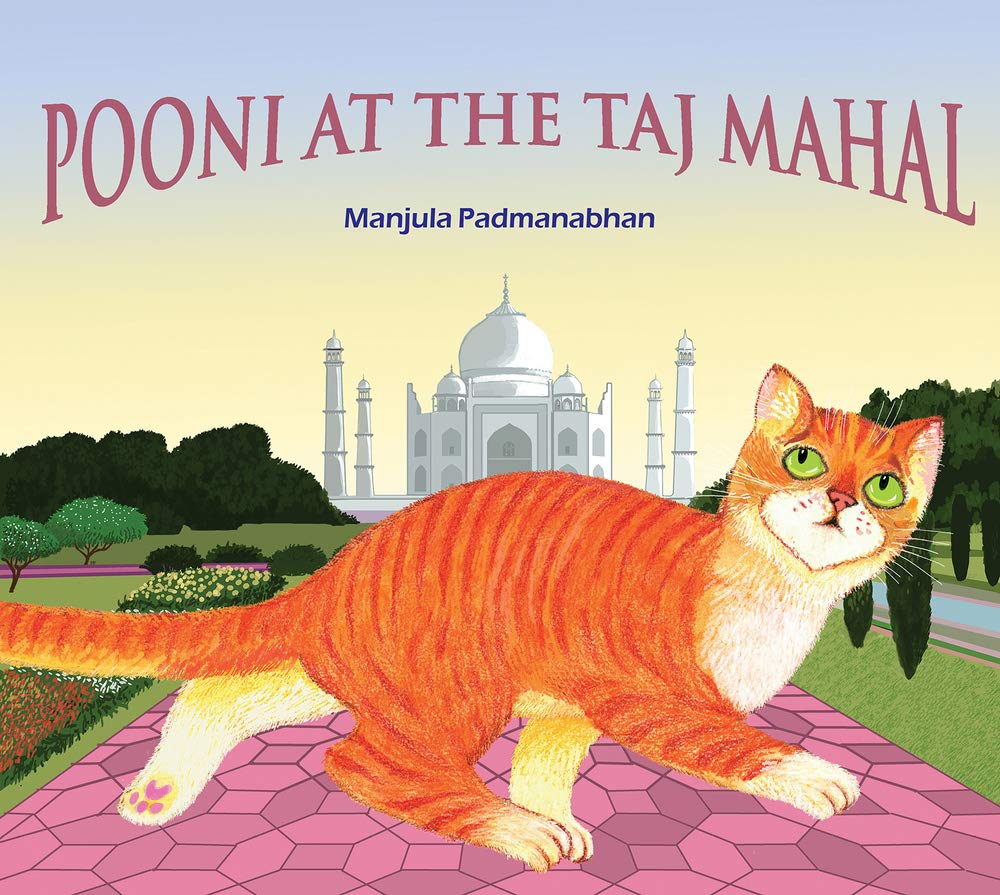
Taj Mahal, 1632-1653

Get a list of 50+ AP Art History Picture Books
Enhance your curriculum and engage your students in a new and exciting way: children’s literature! There are some INCREDIBLE picture books about some the required 250 artworks. The very best ones can be found here.
AP Art History Lessons Using the 250 Required Works
Little Dancer Aged Fourteen, Edgar Degas
This substitute-friendly lesson uses beautifully illustrated picture book biographies, artwork analysis, discussion, and creative thinking to help students explore one of the most iconic sculptures in art history. Rather than completing a traditional worksheet, students practice the same visual analysis, contextual analysis, comparison, and evidence-based discussion skills emphasized throughout the AP Art History course.
Whether you need a meaningful substitute plan, a lesson after the AP Exam, an engaging introduction to Edgar Degas, or a low-prep review activity, this resource is designed to keep students actively learning.
What’s Included:
- Teacher guide with lesson directions
- 45-minute substitute lesson
- 60-minute substitute lesson
- 90-minute substitute lesson
- Ready-to-use slideshow
- Bell ringer using Little Dancer Aged Fourteen
- Read-aloud prompts for two Edgar Degas picture book biographies
- Student discussion and note-taking prompts
- Artwork comparison activity
- Creative sketching activity
- Collaborative museum gallery panel activity
- Exit ticket
- Additional book recommendations for extending the lesson
Students Will Practice:
- Visual analysis using works of art
- Contextual analysis
- Artwork comparison
- Identifying characteristics of Impressionism
- Supporting interpretations with visual evidence
- Art historical discussion and written responses
Perfect For:
- AP Art History
- Art History
- High School Art
- Substitute Plans
- Review Days
- End-of-Unit Activities
- After AP Exam Lessons
- Museum Education Connections
This lesson encourages students to slow down, closely observe works of art, and consider how an artist’s life, historical context, and artistic choices influence interpretation—skills that are essential throughout the AP Art History course.
Woman Holding a Balance, Johannes Vermeer
This substitute-friendly lesson uses beautifully illustrated picture books, artwork analysis, discussion, and creative thinking to help students explore one of the most iconic art pieces in art history. Rather than completing a traditional worksheet, students practice the same visual analysis, contextual analysis, comparison, and evidence-based discussion skills emphasized throughout the AP Art History course.
Whether you need a meaningful substitute plan, a lesson after the AP Exam, an engaging introduction to Johannes Vermeer, or a low-prep review activity, this resource is designed to keep students actively learning.
What’s Included
- Teacher guide with lesson directions
- 45-minute substitute lesson
- 60-minute substitute lesson
- 90-minute substitute lesson
- Ready-to-use slideshow
- Bell ringer using Woman Holding a Balance
- Read-aloud prompts for two Vermeer picture books
- Student discussion and note-taking prompts
- Artwork comparison activity
- Creative sketching activity
- Collaborative museum gallery panel activity
- Exit ticket
- Additional book recommendations for extending the lesson
Students Will Practice
- Visual analysis using works of art
- Contextual analysis
- Artwork comparison
- Identifying characteristics of Impressionism
- Supporting interpretations with visual evidence
- Art historical discussion and written responses
Perfect For
- AP Art History
- Art History
- High School Art
- Substitute Plans
- Review Days
- End-of-Unit Activities
- After AP Exam Lessons
- Museum Education Connections
This lesson encourages students to slow down, closely observe works of art, and consider how an artist’s life, historical context, and artistic choices influence interpretation—skills that are essential throughout the AP Art History course.